A bedside table may be one of the smallest pieces of furniture in a bedroom, but you probably use it more often than you realise. Your phone, charger, reading glasses, water bottle, book, lamp and other nighttime essentials all need a convenient place to stay. The right table keeps these things within reach while making the bedroom feel more organised.
Current furniture guides tend to focus on product variety, materials, drawers and storage. Retailers also offer everything from compact engineered-wood models to premium solid-wood designs. The more useful question, however, is not simply which table looks good? It’s which table actually fits the way you use your room?
Why a Bedside Table Is Worth Having
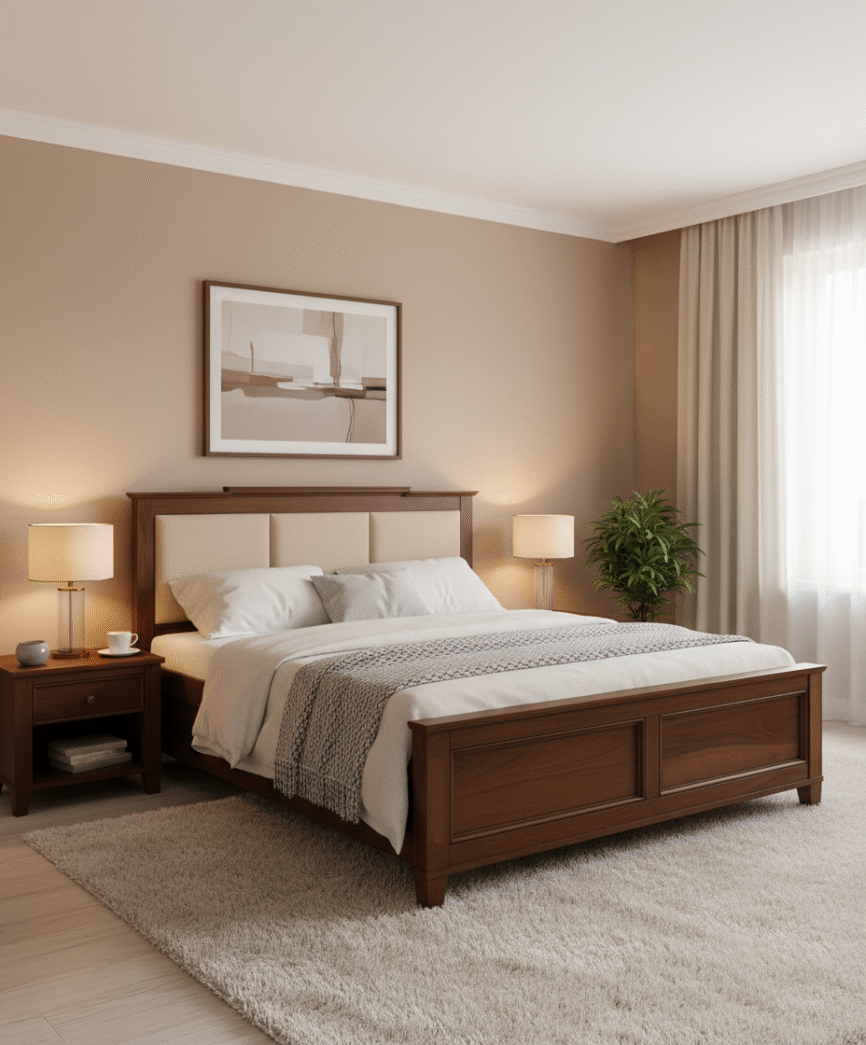
A good bedside table creates a small but highly functional zone next to your bed.
Instead of keeping your phone on the floor or placing a water bottle on the windowsill, you have a dedicated surface that’s easy to reach. Add a lamp and perhaps one or two books, and the entire side of the bed feels more complete.
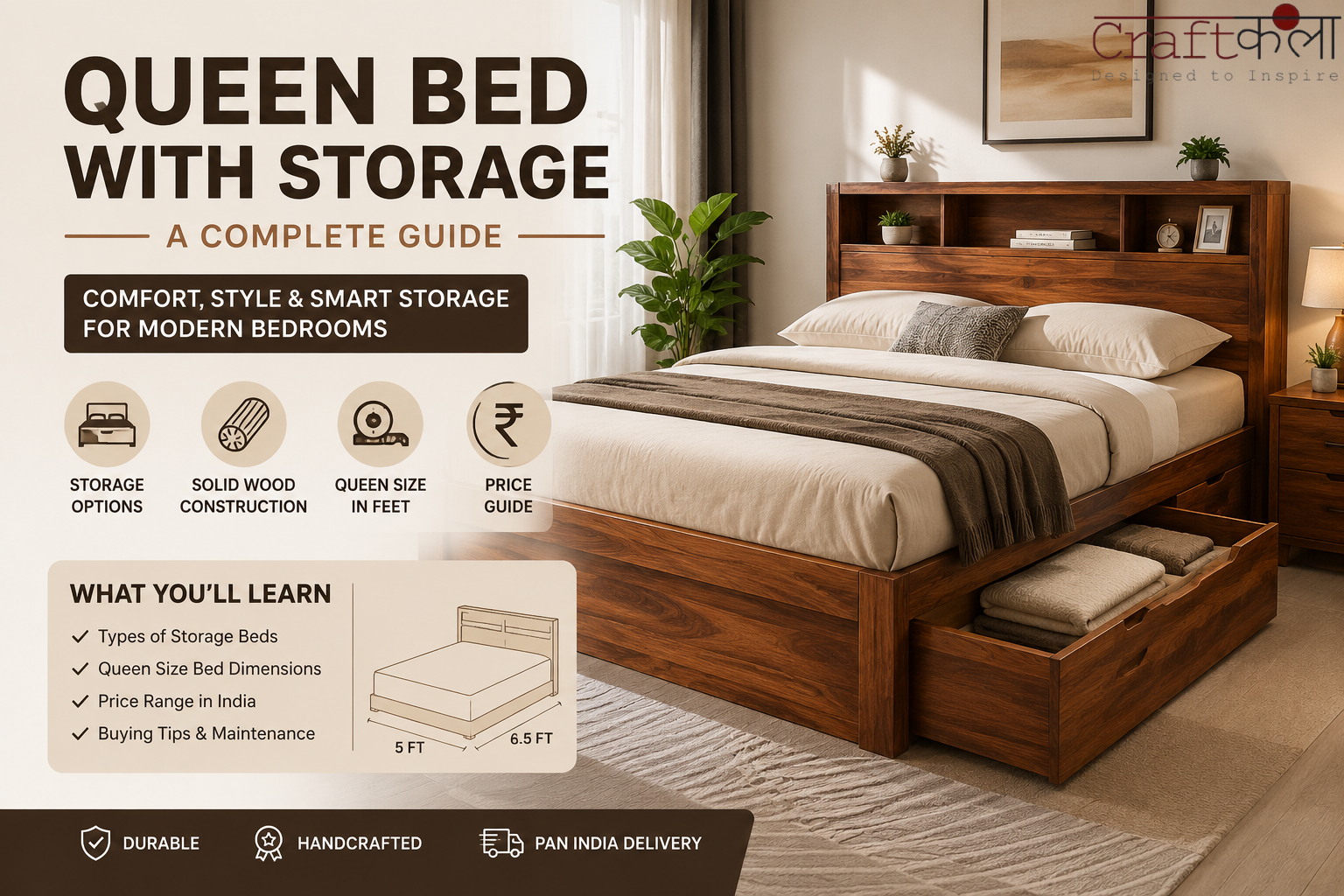
Storage makes an even bigger difference. A drawer can hide chargers, medicines, watches and other small items, while an open shelf can hold books or frequently used belongings.
This is why a bedside table should be chosen according to your daily habits rather than only its appearance.
How to Choose the Right Bedside Table Size
Size is one of the easiest things to get wrong.
Before buying, measure the available width beside your bed and check the height of your mattress. Ideally, the tabletop should sit around the same level as the mattress or slightly below it. Recent Indian furniture guides commonly suggest keeping the table within roughly 5 cm of mattress height because it makes reaching for everyday items much easier.
Don’t forget depth. A deep table may provide more storage, but it can make a narrow bedroom difficult to move around in.
For a compact bedroom, choose a slim design with one drawer or an open shelf. If you have more space, a wider table with multiple storage sections gives you greater flexibility.
What Should You Store on a Bedside Table?
The best design depends partly on what you actually keep beside your bed.
If you only need space for a lamp, phone and water bottle, an open-top design may be enough. If you have several personal items, a bedside table with drawers is much more practical.
A drawer is particularly useful for keeping smaller belongings out of sight. You can use it for charging cables, spectacles, watches, notebooks or other items that can quickly make the tabletop look messy.
Try not to fill every available space, though. A bedside table looks and works better when the top has enough free room for the things you use every night.
Choosing the Right Material
The material affects both the appearance and lifespan of your furniture.
Solid wood remains a popular choice because it offers strength, natural grain variation and a timeless appearance. Current Indian furniture collections show strong demand for solid-wood bedside tables in woods such as Sheesham, Mango and other hardwoods.
A solid wood bedside table can also be refinished or maintained over time, making it suitable for homeowners who prefer furniture that can stay with them for years rather than being replaced whenever décor trends change.
Engineered wood can work well when budget or lightweight construction is the priority. However, if you’re looking for a piece that will receive daily use for many years, pay close attention to the quality of the wood, joinery, drawer runners and finish rather than judging the table by its surface appearance alone.
Bedside Table Designs With Drawers
A bedside table with drawers is one of the most practical choices for a bedroom because it gives you both a usable surface and concealed storage.
Think about what you need to hide rather than simply counting the number of drawers. One spacious drawer can sometimes be more useful than two tiny drawers.
A combination of one drawer and an open shelf is also useful. The drawer handles private or smaller belongings, while the shelf gives quick access to books and other items.
This type of design is especially useful in Indian homes where bedrooms often need to accommodate several everyday essentials without adding bulky furniture.
Can You Use Side Tables for Living Room Spaces?
Absolutely. A well-designed table doesn’t have to remain beside the bed.
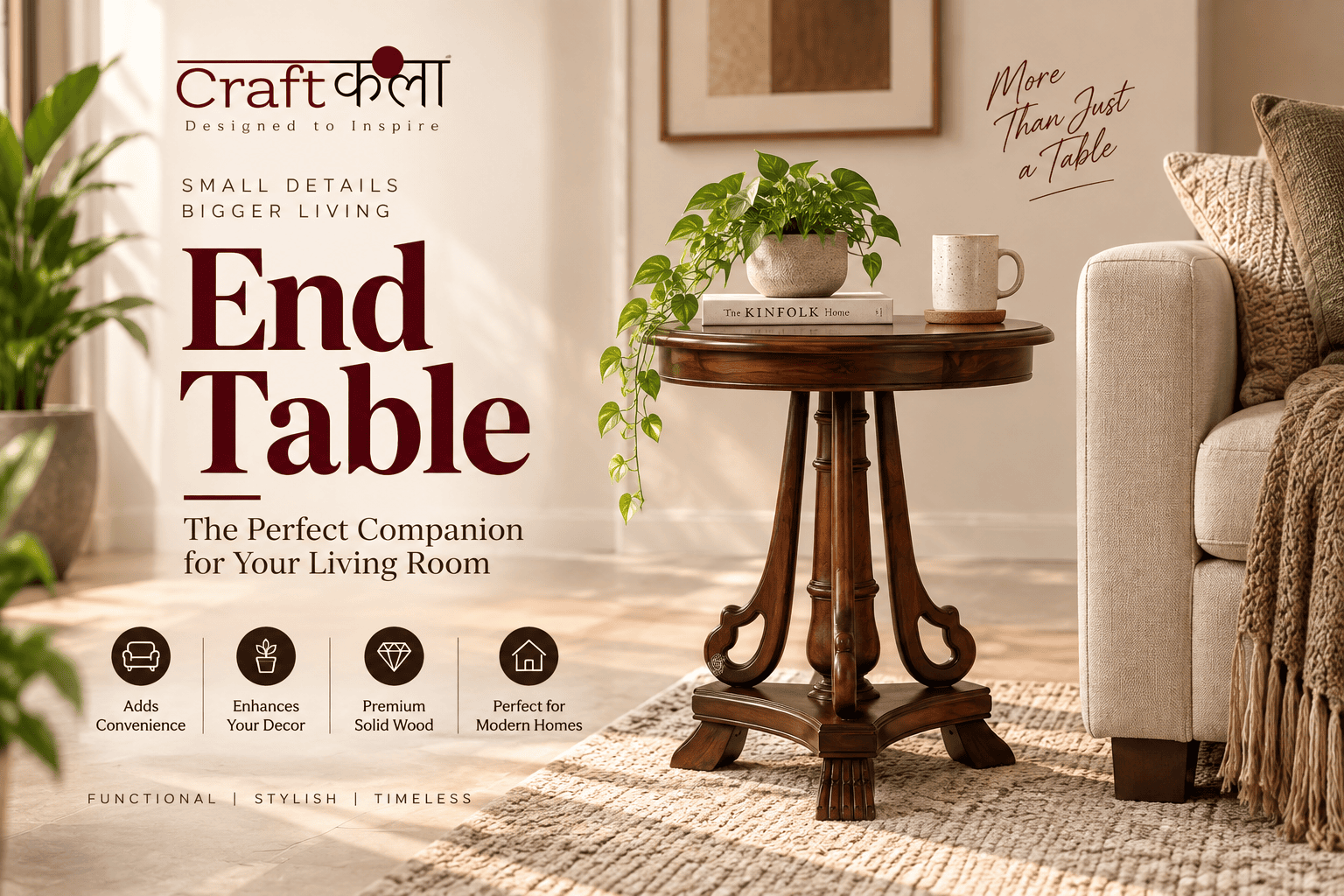
Many side tables for living room arrangements use compact tables beside sofas, lounge chairs or accent chairs. They provide a convenient surface for a coffee cup, table lamp, books or decorative accessories.
The main difference is height. For a living room, the table should generally sit around the height of the sofa arm or slightly below it. Recent side-table guidance similarly places many living-room side tables around the 55–65 cm range, depending on the sofa and chair.
So before moving a bedroom table into your living room, check its height and proportions.
Side Table for Living Room vs Bedside Table
These two pieces can look almost identical, but they perform different jobs.
A side table for living room is usually chosen for accessibility, styling and visual balance. It might sit beside a sofa or armchair and hold a lamp, drink or décor.
A bedroom table, on the other hand, needs to be positioned around mattress height and often benefits from drawers or enclosed storage.
That’s why simply buying one design and using it everywhere isn’t always the best approach. Measure the furniture around it first.
Creating a Comfortable Lounge Area
If your living room has a reading chair or armchair, a small table can make the space much more useful.
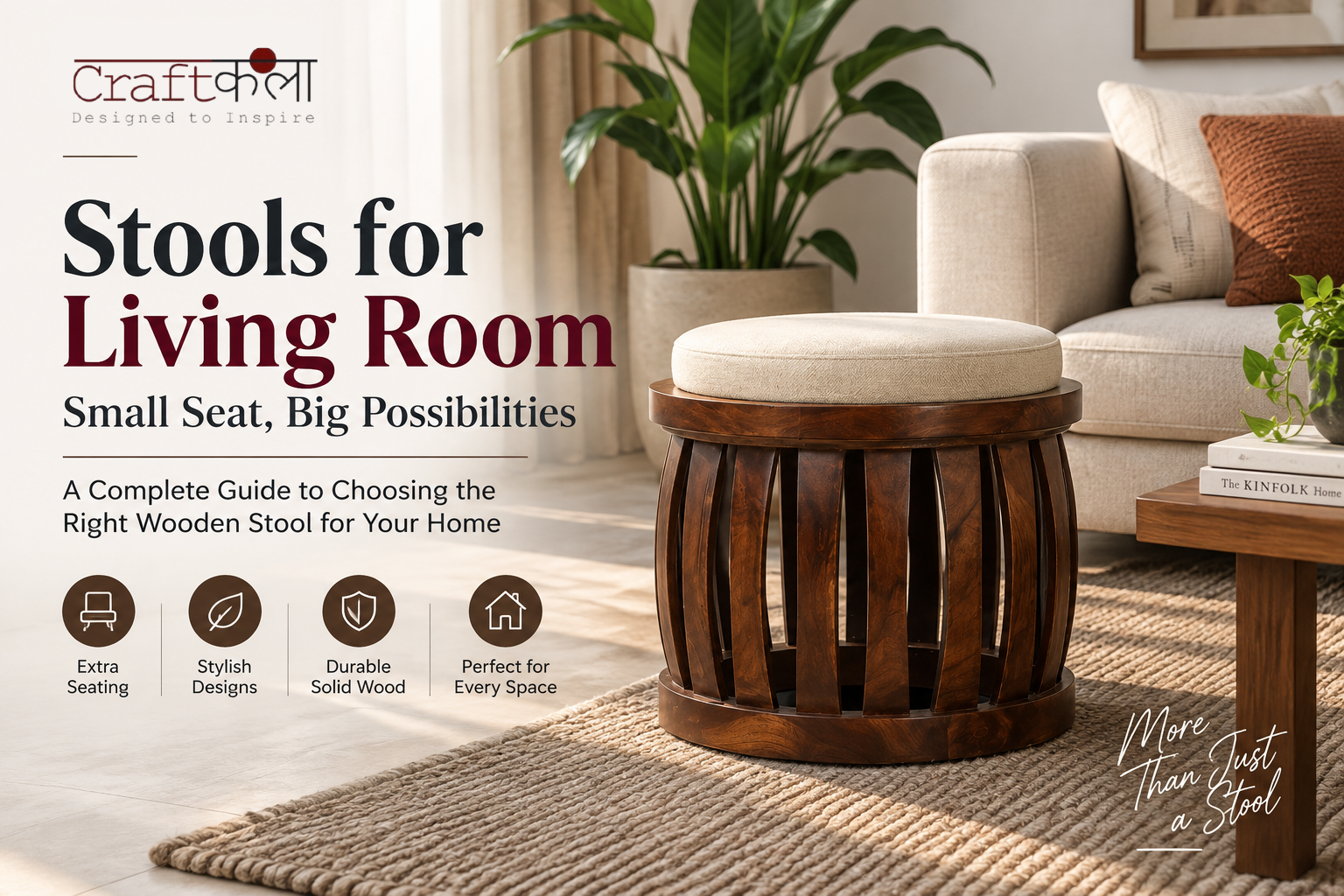
A compact table beside the chair gives you somewhere to place a coffee mug, book, phone or reading lamp. This is where lounge room side tables can make a surprisingly big difference.
Keep the arrangement simple. One lamp, a book and a small decorative object are usually enough. Too many accessories can make a small table look crowded.
The same principle works with side tables for living room layouts around sofas. The furniture should support the way you use the room rather than simply fill an empty corner.
What About a Side Table for a Drawing Room?
A formal sitting area or drawing room often benefits from furniture that looks slightly more decorative.
A side table for drawing room use can feature a richer wood finish, rounded edges or more distinctive craftsmanship. Place it beside an armchair or at the end of a sofa where guests can easily access the tabletop.
For a more traditional interior, natural wood can add warmth. For contemporary rooms, look for cleaner silhouettes and simpler hardware.
The important thing is proportion. A small table should complement larger seating pieces rather than compete with them.
Common Buying Mistakes to Avoid
One of the biggest mistakes is choosing a table without measuring the bed or sofa beside it. Height matters more than many people expect.
Another mistake is buying too much storage. If you only need space for a lamp and phone, a large cabinet-style table may unnecessarily consume floor space.
People also sometimes focus heavily on finish while ignoring construction. Check whether drawers move smoothly, whether the table feels stable, and whether the joints appear properly finished.
Finally, don’t forget your room’s overall style. A table can be beautiful on its own but still look out of place if its proportions or finish clash with the surrounding furniture.
How to Maintain Your Wooden Table
Wooden furniture is relatively easy to care for.
Use a soft, dry cloth for regular dusting and clean spills quickly. Avoid excessive moisture and prolonged direct sunlight. If the manufacturer recommends a particular wood polish or finish treatment, follow those instructions rather than using harsh household cleaners.
For a solid-wood table, small marks are not necessarily a problem. Natural wood develops character with use, which is part of its appeal.
At CraftKala, handcrafted wooden furniture focuses on combining natural materials with practical designs that suit everyday Indian homes. A thoughtfully made table should feel useful every day while still adding warmth to the room.
Frequently Asked Questions
What height should a bedside table be?
Ideally, the tabletop should be around mattress height or slightly below it. A difference of a few centimetres is generally comfortable for reaching your phone, lamp or water while lying in bed.
Is a bedside table with drawers better?
It depends on your storage needs. If you have chargers, glasses, books and other small belongings, a drawer provides useful concealed storage. For minimal needs, an open shelf or simple tabletop may be enough.
Can a bedside table be used in the living room?
Yes. If the height and proportions work with your sofa or armchair, the same furniture can function as a compact living-room side table.
What is the best material for a bedside table?
Solid wood is a strong long-term option because of its durability, natural appearance and timeless appeal. The quality of construction is just as important as the wood itself.
How do I choose a side table for a small room?
Measure the available floor space first. Look for a narrow table that provides enough surface area for your essentials without blocking movement around the bed or sofa.
Conclusion
A bedside table may be a small furniture piece, but the right one can make your daily routine noticeably easier. The key is to look beyond appearance and consider height, storage, dimensions, material and how you actually use the space.
For bedrooms, choose a design that keeps nighttime essentials within easy reach. For living rooms, focus on proportion and accessibility. And if you want one versatile piece that can move between rooms, select a timeless wooden design with practical dimensions.
Whether you’re searching for a bedside table, side tables for living room, or a compact table for a lounge or drawing room, good furniture should make the room work better—not simply look fuller.